Knowing how to hire a professional chauffeur properly can be the difference between a polished, stress-free travel experience and one riddled with delays, unprofessionalism, and safety concerns. Whether you are a corporate executive flying into Orange County for a high-stakes meeting, a business owner who needs consistent airport transfers, or someone planning a high-end event, the right chauffeur service elevates every mile of the journey. This guide walks you through seven deliberate steps to make sure you hire with confidence, clarity, and control.
Table of Contents
- Why the Right Chauffeur Actually Matters
- Step 1: Define Your Transportation Need
- Step 2: Verify Licensing, Insurance, and Compliance
- Step 3: Evaluate the Fleet Quality
- Step 4: How to Hire a Professional Chauffeur You Can Trust
- Step 5: Understand Pricing Structures
- Step 6: Review Communication and Booking Systems
- Step 7: Assess Reliability Through Track Record
- Corporate vs. Event Chauffeur: Which Do You Need?
- Common Mistakes When Booking Luxury Ground Transportation
- Frequently Asked Questions
Why the Right Chauffeur Actually Matters
Luxury transportation is not simply about riding in a nice car. It is about time protection, personal security, brand image, and the kind of reliability that lets you focus on what is waiting at your destination rather than on the road getting there. According to the Bureau of Transportation Statistics, business travel in the United States generates over $334 billion annually, and a significant portion of premium travelers prefer ground transportation to rideshares for its consistency and discretion.
The difference between a trained chauffeur and a standard rideshare driver is not cosmetic. A professional chauffeur undergoes background screening, defensive driving training, and confidentiality protocols. They track your flight, manage wait times, and arrive pre-route-checked. That level of preparation is what separates executive driver services from ordinary transportation.
For businesses in California, particularly in metro areas like Los Angeles, Orange County, and the Inland Empire, luxury black car services have become a core part of corporate logistics. Companies like Limo Service Orange have built reputations around exactly this kind of consistent, professional delivery.
Step 1: Define Your Transportation Need
Before you search for any provider, be specific about what you need. The category of service shapes every decision that follows, from the type of vehicle you require to the certifications a chauffeur must hold. Ask yourself these questions:
- Is this a one-time airport transfer or a recurring corporate account?
- Do you need hourly “as-directed” service, or a point-to-point trip?
- How many passengers will typically be traveling?
- Do you need a vehicle with privacy dividers, Wi-Fi, or refreshment setups?
- Is discretion a priority, such as for VIP clients or C-suite executives?
Each answer narrows your vehicle class and the minimum experience level you should accept. A solo executive heading to LAX in the morning has very different needs than a group of eight heading to a corporate gala. Defining this upfront prevents overpaying for the wrong service or underbooking and ending up in something that does not represent your standards.
Common Use Cases for Executive Driver Services
The most frequent bookings in the luxury transportation market fall into four categories: airport transfers, corporate roadshows, event transportation, and recurring executive commutes. Airport transfers remain the highest volume service, with demand particularly high at LAX, SNA (John Wayne), and ONT. Roadshows involve multi-stop, multi-day engagements where a dedicated chauffeur stays on call throughout. Events include galas, product launches, and private dinners. Recurring commutes are growing as more senior executives treat private ground transportation as a daily productivity tool rather than an occasional luxury.
Step 2: Verify Licensing, Insurance, and Compliance
This is the step most people skip, and it is the one that creates the most risk. In the United States, commercial transportation providers are regulated at both the state and federal level. Any legitimate limousine or executive car service operating across state lines must hold a valid USDOT number. In California, operators must be licensed through the California Public Utilities Commission (CPUC) as a TCP (Transportation Charter Party) carrier.
Ask every provider you consider for the following before signing anything:
- Their TCP or equivalent state license number
- Proof of commercial liability insurance (minimums vary by state; California requires at least $1.5 million per occurrence)
- Whether drivers carry individual chauffeur permits or are covered under the company’s commercial policy
- Vehicle registration and inspection records
A reputable provider will share this information without hesitation. If a company deflects or delays on these questions, that is a serious red flag. One useful external reference is the Federal Motor Carrier Safety Administration (FMCSA), which allows you to look up any commercial transportation carrier by USDOT number to verify their operating status and safety record.
Step 3: Evaluate the Fleet Quality
The vehicle is the physical expression of everything the service claims to be. A company can have professional branding and polished customer service, but if the cars are aging, poorly maintained, or stocked with outdated interiors, the experience will fall flat at the moment that matters most.
When evaluating fleet quality, look for the following markers:
Vehicle Age and Condition
The luxury ground transportation industry generally considers vehicles older than five years to be past their prime for executive use. Top-tier providers refresh their fleets regularly, typically every three to four years, to ensure clients are traveling in current-model, fully warrantied vehicles. Ask the company what year their vehicles were manufactured and when the fleet was last updated.
Vehicle Class Options
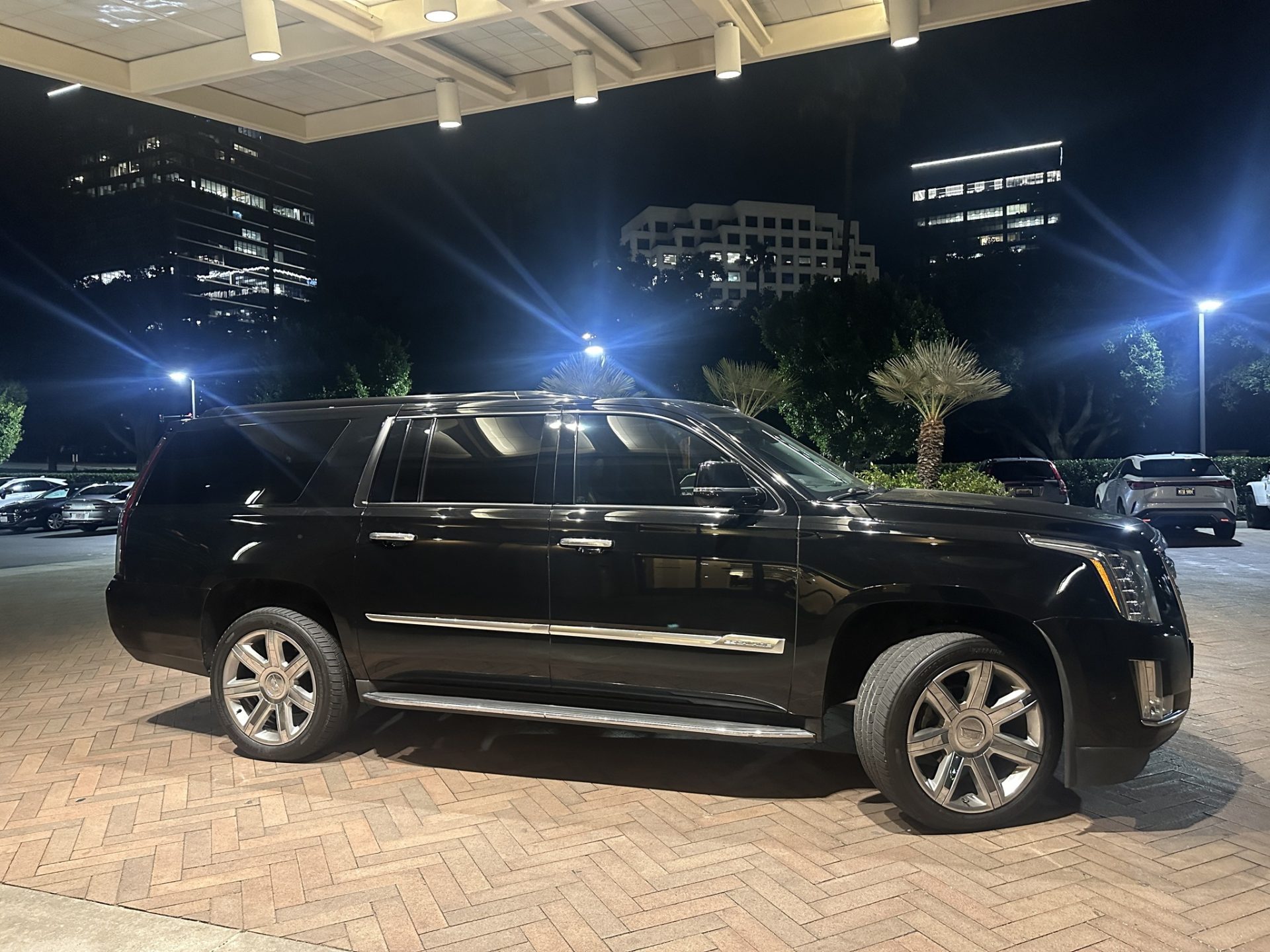
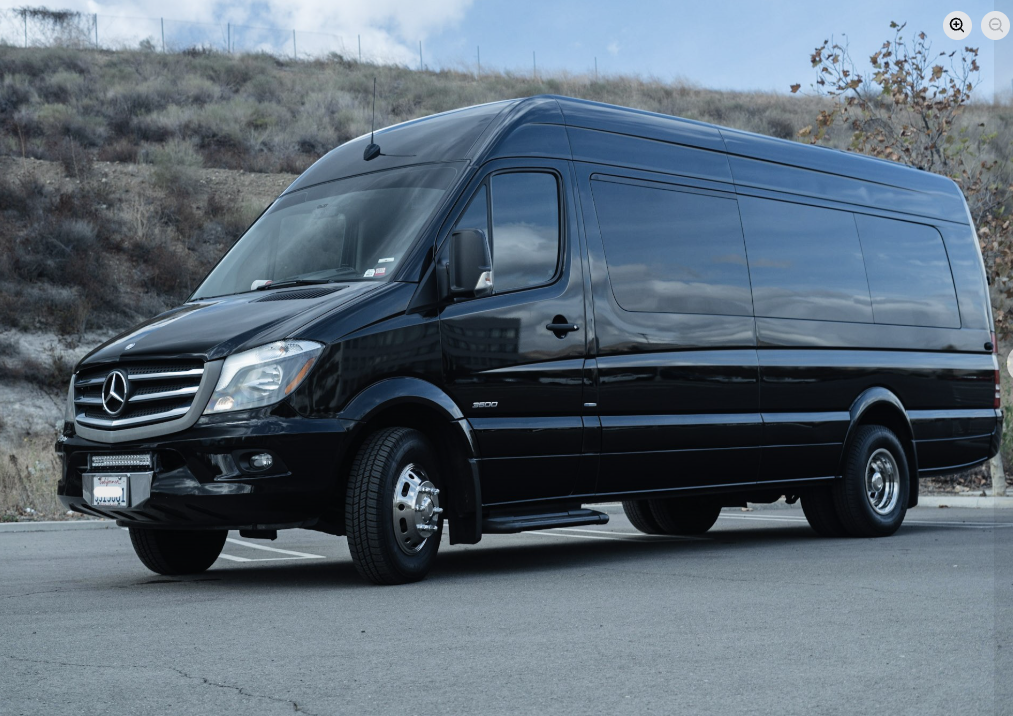
A well-rounded executive fleet should include at minimum: a luxury sedan (such as a Mercedes-Benz S-Class or BMW 7 Series), a premium SUV (Cadillac Escalade or Lincoln Navigator), and a stretch limousine or sprinter van for group needs. Providers offering only one vehicle class are limiting your ability to scale the service as your needs grow.
Interior Amenities
For executive use, the interior should include climate control, leather seating, phone charging ports, Wi-Fi connectivity, and quiet ride quality. Many premium clients also expect bottled water, reading material, and a driver partition option. These are not extras — they are part of the product.
Step 4: How to Hire a Professional Chauffeur You Can Trust
When you hire a professional chauffeur, you are not just booking a driver. You are entrusting someone with your time, your safety, and in corporate settings, your clients’ first impressions. The hiring and vetting practices of the company you book through determine the quality of the person behind the wheel.
Ask your provider directly about their chauffeur vetting process. The minimum standard for a legitimate executive car service should include:
- Criminal background checks conducted at the county, state, and federal level
- Motor vehicle record (MVR) reviews going back at least three to five years
- Drug and alcohol screening prior to employment and randomly thereafter
- Defensive driving certification
- Customer service and etiquette training
- Familiarity with local routes, traffic patterns, and airport pickup protocols
A chauffeur who has completed formal hospitality training handles client interactions very differently than one who has not. The difference shows up in how they greet you, manage luggage, hold doors, and maintain composure under pressure — all details that matter when your client is watching.
It is also worth asking whether the company employs their chauffeurs directly or uses subcontractors. Direct employees are subject to company training standards consistently. Subcontractors may vary significantly in quality. For high-stakes or recurring use, always prefer a company with an in-house driver roster.
Step 5: Understand Pricing Structures
Luxury ground transportation pricing in the United States varies considerably by market, vehicle class, and service model. Understanding how pricing works prevents bill shock and helps you compare providers accurately.
Hourly vs. Point-to-Point Pricing
Point-to-point pricing covers a fixed route, such as your home to LAX. It is the most common model for airport transfers and is typically the more economical option for single-leg trips. Hourly pricing, also called “as-directed” service, covers a set number of hours where the chauffeur remains on call and responsive to your schedule. This is preferred for corporate roadshows, full-day events, or any engagement where your timing is fluid.
Typical Rate Ranges in Southern California
As a general benchmark in the Orange County and Los Angeles markets, executive sedan services typically run between $85 and $150 per hour for as-directed bookings. SUV services range from $120 to $200 per hour. Sprinter vans and stretch limousines begin around $175 per hour and can exceed $350 per hour for premium vehicles or peak dates. Airport transfers are usually priced at a flat rate per trip, with sedan transfers in Southern California averaging $80 to $150 depending on distance and pickup location.
What to Watch For in Quotes
Always ask for a full itemized quote. Many budget providers advertise low base rates but add gratuity, fuel surcharges, tolls, and administrative fees that inflate the final bill by 30 to 40 percent. A transparent provider will show you all-in pricing upfront. If gratuity is included, confirm what percentage has been applied. If it is not included, the industry standard for chauffeur gratuity is 18 to 20 percent.
Step 6: Review Communication and Booking Systems
The quality of a company’s communication system is a direct reflection of how they operate on the road. A provider that is slow to confirm reservations, unclear on pickup logistics, or unreachable when you have a question is not someone you want managing your transportation when you have a flight to catch.
The best executive car services offer multiple contact points: a main reservation line, a direct dispatch number for day-of changes, and ideally a dedicated account manager for corporate clients. Digital booking portals have become standard, allowing you to book, modify, and track reservations online. Some services also offer real-time GPS tracking through a client app, which provides peace of mind especially during airport pickups.
Before you commit to a provider, test their response time. Send an inquiry through their website and note how quickly and thoroughly they respond. A company that takes 24 hours to reply to a standard quote request is unlikely to be more responsive when you are standing curbside at a busy terminal.
Step 7: Assess Reliability Through Track Record
Reliability is the single most important factor in executive transportation, and it is the hardest to fake over time. A company’s track record is visible in three places: client reviews, industry affiliations, and tenure.
Online Reviews and Testimonials
Look for reviews on Google Business, Yelp, and platform-specific directories. Focus on patterns rather than individual outliers. If multiple reviewers mention the chauffeur being on time, professional in appearance, and proactive in communication, that pattern is meaningful. Conversely, if multiple reviews mention late arrivals or unresponsive dispatch, those patterns are equally revealing.
Industry Memberships
Membership in the National Limousine Association (NLA) or affiliated regional groups signals that a company is engaged with industry standards and best practices. While membership alone does not guarantee quality, it does indicate a provider that takes the profession seriously enough to participate in its trade organizations.
Years in Operation
Longevity matters in this industry. A company that has operated successfully for 10 or more years has survived market cycles, built client relationships, and refined its operational standards. New providers can be excellent, but for high-stakes executive use, there is real value in a company with a proven track record.
Corporate vs. Event Chauffeur: Which Do You Need?
Many clients assume executive driver services are interchangeable across use cases, but the operational demands of corporate transportation and event transportation are meaningfully different.
Corporate chauffeur services are built around precision and repeatability. The same driver, the same pickup time, the same route. The chauffeur learns your preferences, your schedule patterns, and your communication style. Over time, this becomes a highly personalized service that functions almost like having a private driver on retainer without the associated employment costs.
Event transportation is more logistically complex. It involves coordinating multiple vehicles, staggered pickup times, and often managing guests who are unfamiliar with the service. The operational demand is higher per engagement, which is why event pricing is typically structured differently than recurring corporate accounts.
If you are managing executive travel for a company, look into corporate account options. Providers like Limo Service Orange structure dedicated corporate accounts that consolidate billing, provide priority dispatch, and assign consistent chauffeurs to key executives. This kind of arrangement saves time and removes the friction of booking individually for each trip.
Common Mistakes When Booking Luxury Ground Transportation
Even experienced travelers make avoidable errors when hiring executive car services. Here are the most common ones and how to sidestep them:
Booking Based on Price Alone
The lowest quote in luxury transportation almost never represents the best value. Budget operators cut costs somewhere, whether in fleet maintenance, driver screening, insurance coverage, or customer support. In executive transportation, the cost of a service failure, a late pickup, or an uncomfortable vehicle far exceeds the few dollars saved on a discounted booking.
Not Confirming the Reservation 24 Hours Out
Even with a confirmed booking, it is professional practice to verify all details the day before a trip. Confirm the pickup time, exact location, driver name, and vehicle type. This gives the company time to address any scheduling conflicts and gives you documentation if anything goes wrong.
Ignoring Cancellation Policies
Luxury transportation providers typically require 24 to 48 hours notice for cancellations to avoid a full charge. Last-minute cancellations, especially for vehicles already dispatched, often result in a full billing. Read the cancellation policy before you book, particularly for large-group or event reservations where the cost exposure is higher.
Assuming Rideshares Are Comparable
For routine trips, rideshare platforms offer convenience. For executive use, they introduce variables that are incompatible with the level of service expected at the corporate level. Driver quality, vehicle condition, routing decisions, and privacy cannot be guaranteed through rideshare apps. When the stakes are high, the comparison does not hold.
For more tips and updates on executive ground transportation in Southern California, you can also follow Limo Service Orange on Facebook and check their blog at Tumgik.
Frequently Asked Questions
What is the difference between a chauffeur and a regular driver?
A professional chauffeur is a trained transportation specialist, not simply someone who drives. Chauffeurs undergo background screening, customer service training, and in many cases defensive driving certification. They are responsible for vehicle presentation, client comfort, route preparation, and professional conduct throughout the engagement. A regular driver, including rideshare drivers, operates without these standards applied consistently.
How far in advance should I book executive driver services?
For standard airport transfers, booking 24 to 48 hours in advance is typically sufficient. For events, corporate roadshows, or peak travel dates like holidays and major conferences, booking one to two weeks ahead is advisable. If you need a specific vehicle class or a dedicated chauffeur for multiple days, the earlier the better to guarantee availability.
Is it safe to hire a professional chauffeur for airport pickups?
Yes, and in many respects it is safer than rideshare alternatives. Licensed executive car services are required to carry substantial commercial insurance, employ screened drivers, and operate vehicles that meet regulatory standards. Reputable providers also track incoming flights and adjust pickup times automatically for delays, eliminating the uncertainty of curbside coordination.
What should I wear or bring when using a luxury chauffeur service?
There is no dress code for clients. The service adapts to you, not the other way around. That said, if you are using the service for corporate purposes, the overall experience, including your appearance and the vehicle, contributes to how you are perceived by clients or partners who see you arrive. Bring any work materials you need since executive vehicles are designed to function as mobile offices.
Can I set up a corporate account for ongoing executive transportation needs?
Most established luxury transportation companies offer corporate account programs that streamline billing, provide priority service, and allow you to manage multiple executive bookings through a single point of contact. These accounts often include negotiated rates for volume commitments and dedicated dispatch support. If your business requires frequent transportation, a corporate account is almost always more cost-effective than booking individually each time.
How do I know if a chauffeur service is legitimate and licensed?
Ask for their state operating license number and verify it with the appropriate regulatory body. In California, look up their TCP number through the CPUC. For interstate carriers, verify their USDOT number through the FMCSA website. Additionally, request proof of commercial liability insurance and confirm that it is current. A legitimate provider will have no hesitation sharing this documentation.
What vehicles are typically available when hiring a professional chauffeur?
A full-service luxury transportation provider typically offers executive sedans such as the Mercedes-Benz S-Class or Lincoln Continental, premium SUVs like the Cadillac Escalade or Lincoln Navigator, sprinter vans for group travel, and stretch limousines for events or special occasions. Some providers also maintain specialty vehicles including coach buses for larger groups or ultra-luxury models for high-profile clients.
Final Thoughts
When you take the time to hire a professional chauffeur through the right process, you are not just booking a car. You are investing in consistency, safety, and the kind of travel experience that reflects well on you and your organization every single time. The seven steps in this guide give you a clear framework to vet providers, ask the right questions, and make a decision you will not second-guess.
If you are in Southern California and need a reliable executive car service with a proven track record, Limo Service Orange has been serving business and leisure clients with professional chauffeurs, a well-maintained fleet, and the kind of client-first standards this guide describes. Stay connected and follow updates via Facebook and Tumgik.